News & Insights
A nest, a return, and a sign of coexistence in Átl’ḵa7tsem
Apr 30, 2026

Our resident bald eagle is back, and that return is more than a seasonal marker. For a third year running, the same nest has been occupied on the shores of Átl’ḵa7tsem (Howe Sound), a quiet but meaningful sign that the wildlife along this stretch of coast continues to thrive alongside our construction activity.
Eagles have long been a fixture of the sound. What has changed is how carefully we monitor, document and protect their habitat, and the habitat of dozens of other bird species, as our facility takes shape on the former Woodfibre pulp mill site, seven kilometres southwest of Squamish.
Planning around nature, not through it
Before we break ground in any area of the site, construction zones are surveyed for bird activity by qualified specialists. Active nests are identified and protected through our wildlife management program.
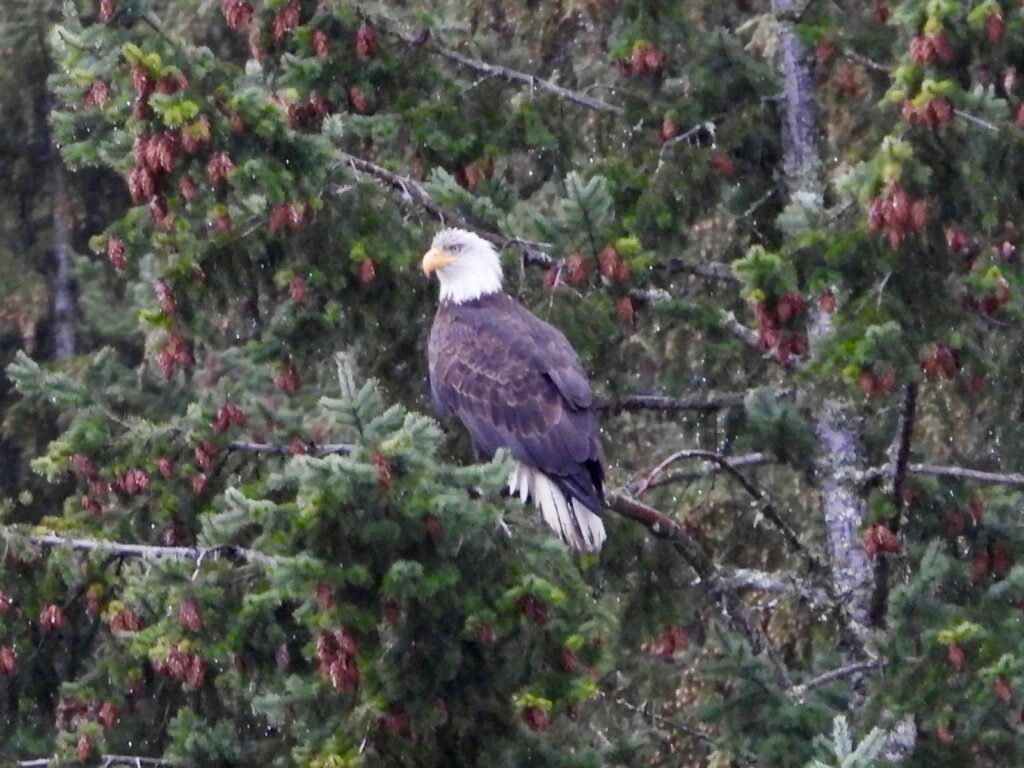
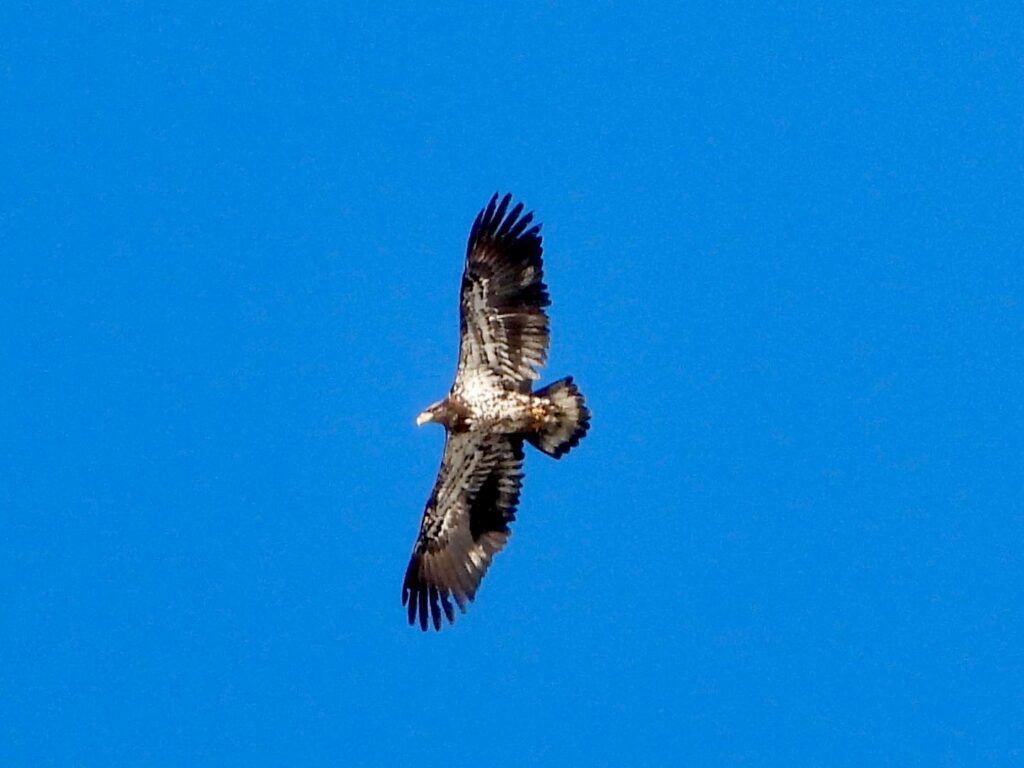
Each active nest triggers a no-disturbance buffer, enforced for as long as the nest is in use. For bald eagles, that means a 100-metre vegetated buffer year-round and a 200-metre quiet zone during the breeding season. For sensitive species like the western screech-owl, buffers extend further. We sequence our work plans, from vegetation clearing to vessel movements, around these zones, not the other way around.
Offsetting habitat changes on site
Protection is only part of the story. Where habitat has had to shift, we’ve built replacements.
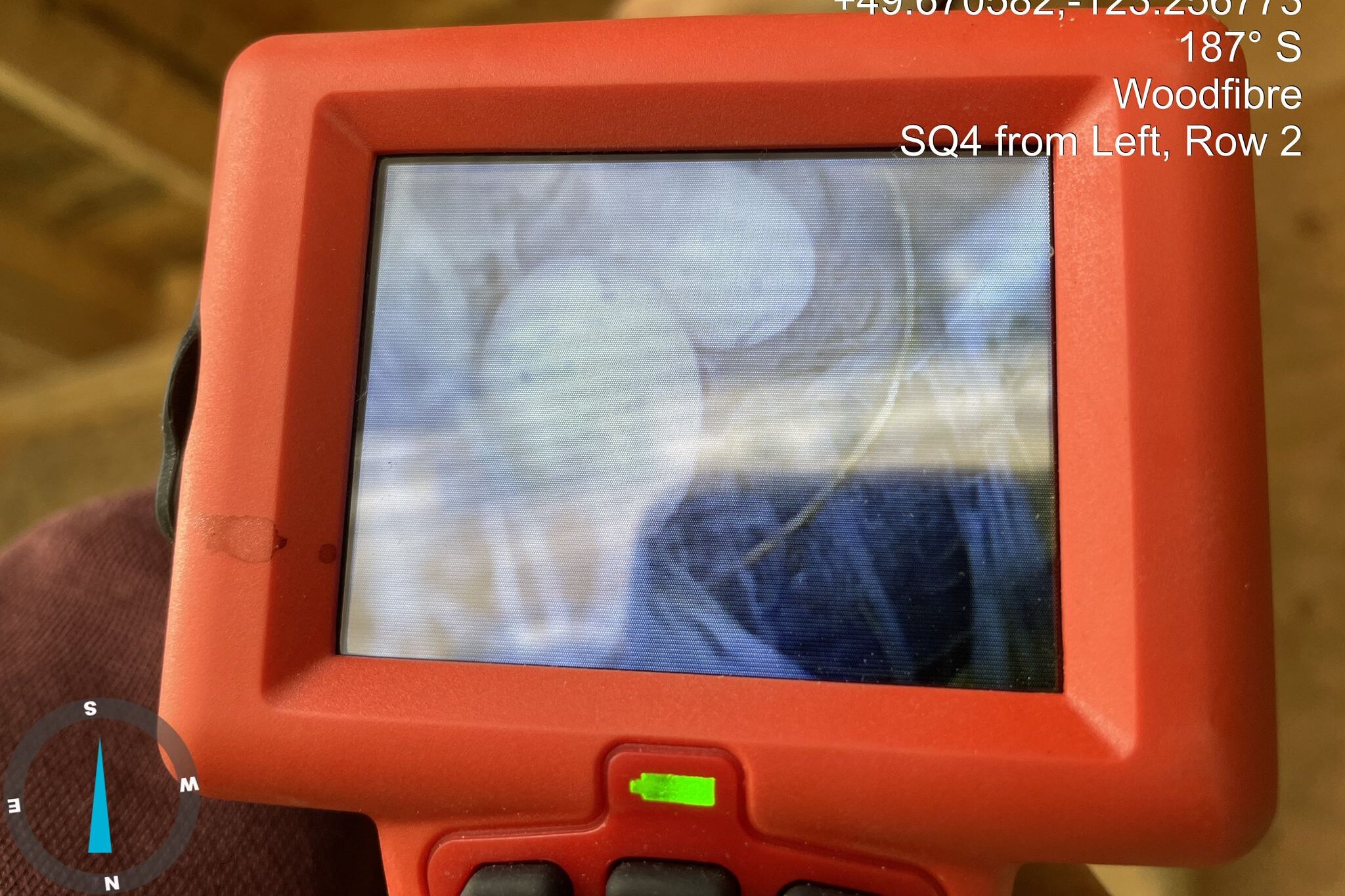
We installed a purpose-built nesting structure, a kind of “bird hotel”, on site to give barn swallows (kw’eḵw’íḵw’ehatl’ in Sḵwx̱wú7mesh sníchim), a federally listed threatened species, somewhere to raise their young after older buildings were removed. The structure includes dozens of artificial nest cups, predator guards and year-over-year monitoring to track how it’s being used.
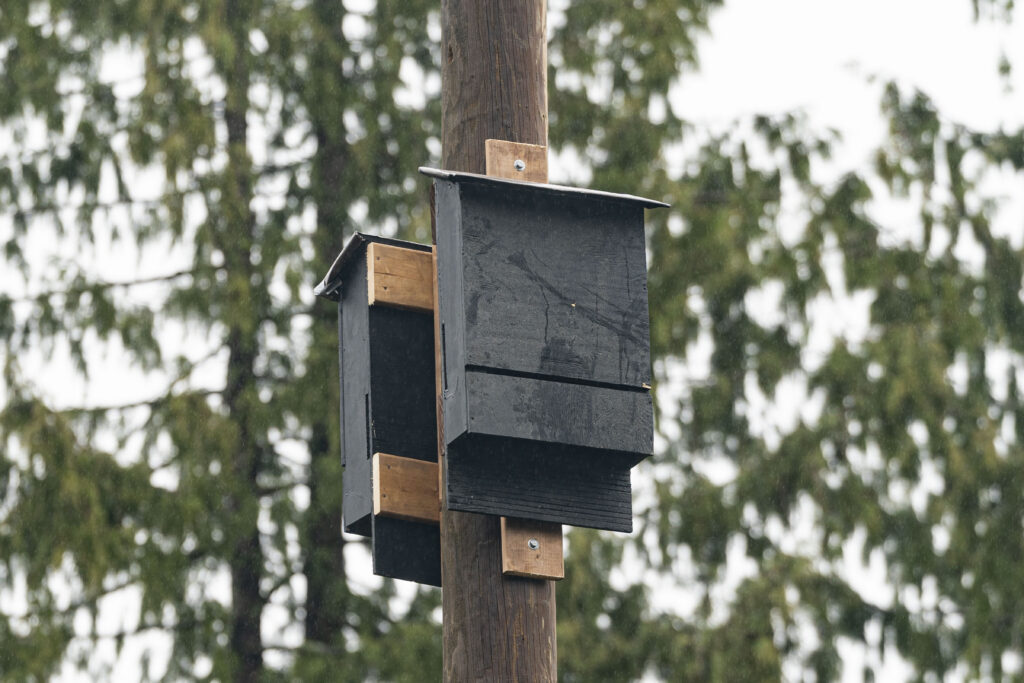
We’ve also installed bat boxes in carefully selected locations, providing roosting habitat for species including the little brown myotis.
Independent oversight at every stage
Every one of these measures is documented in our Wildlife Management and Monitoring Plan, developed in consultation with Sḵwx̱wú7mesh Úxwumixw (Squamish Nation), səlilwətaɬ (Tsleil-Waututh Nation) and federal and provincial regulators.
The plan is reviewed and enforced under the oversight of the B.C. Environmental Assessment Office and Squamish Nation, with annual reporting and independent qualified professionals verifying that our mitigation is working as intended.
For the eagle back at its nest, none of that is visible. What it sees is a stretch of shoreline quiet enough to return to, year after year, and that, in the end, is the measure that matters.
Learn more about our wildlife management and monitoring plans here.

Blog
Blog
Blog