Resources
Flaring Information & Materials
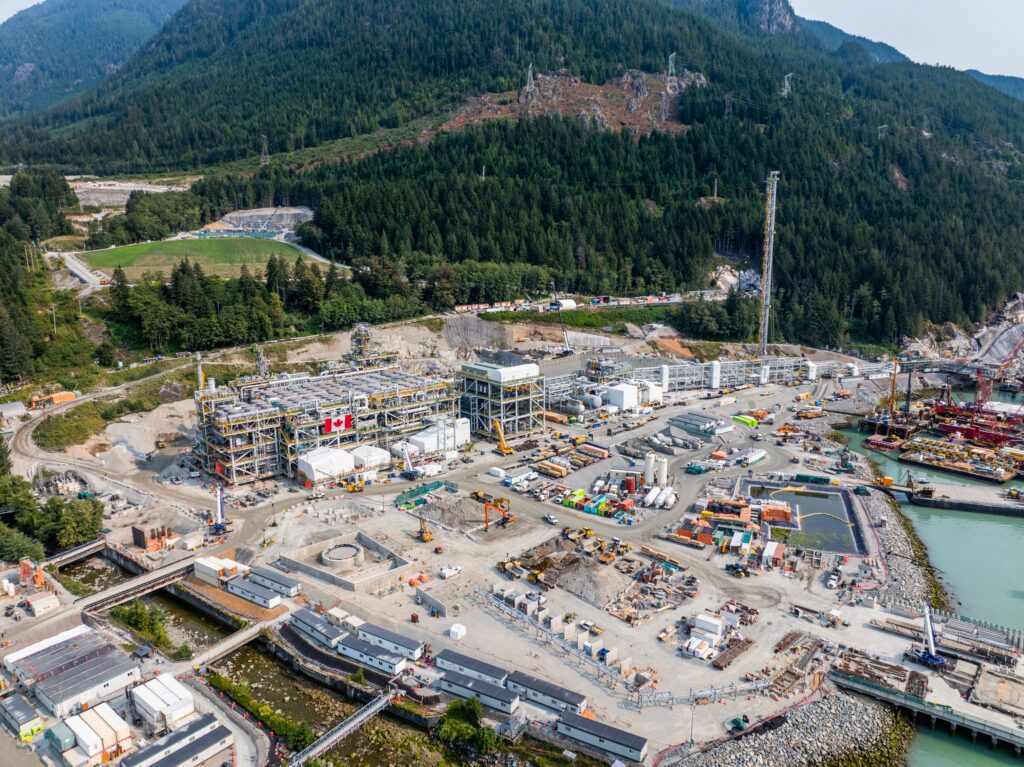
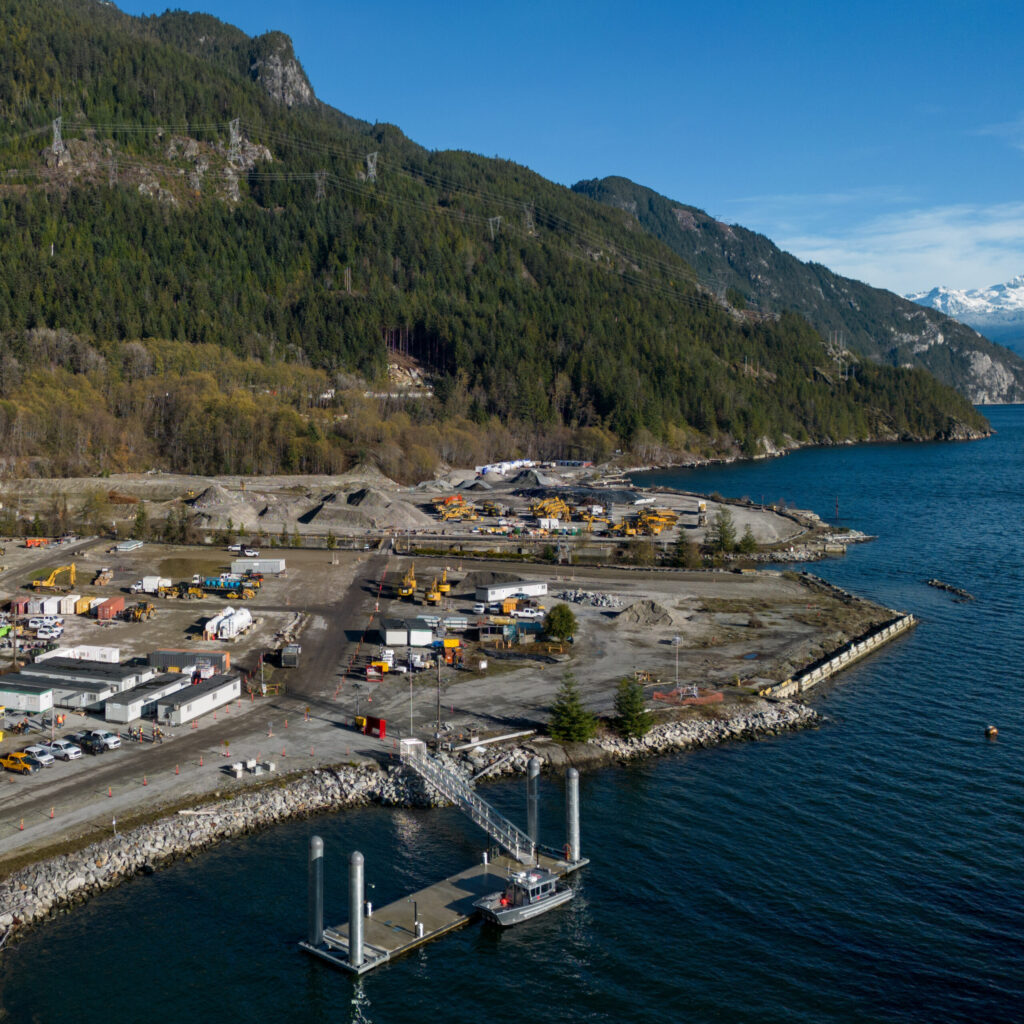
Browse fact sheets, booklets, videos and other reference materials to learn more about flaring at Woodfibre LNG, including how flaring works, how activities are monitored and what to expect during future operations.
Fact Sheets
Flaring 101
Flaring is a routine, safe part of operating an LNG facility and is used to manage excess natural gas in a controlled way. Learn more about why flaring happens, what to expect and how flaring will change from commissioning through steady-state operations.
Download our Flaring 101 Fact Sheet to learn more.
Flaring: Technical Information
Woodfibre LNG’s 134-metre flare stack includes a high-pressure and a low-pressure flare system, each with its own flare tip, to safely manage excess natural gas in a controlled way. Learn more about what determines flame height, how flaring is regulated and monitored, and what to expect from commissioning through steady-state operations.
Download our Flaring: Technical Information Fact Sheet to learn more.
Air Quality
Flaring domestic-quality natural gas produces mostly carbon dioxide and water, with very small amounts of other byproducts. Modelling shows levels of key pollutants in surrounding communities are expected to remain well below B.C.’s Air Quality Objectives. Learn more about emissions from flaring and how air quality will be monitored.
Download our Air Quality Fact Sheet to learn more.
Human Health
Scientific assessments confirm potential air emissions, including those associated with flaring, are expected to remain well below health and air quality limits in nearby communities, meaning negligible human health risk. Learn more about the modelling and how predicted emissions compare with health-based limits.
Download our Human Health Fact Sheet to learn more.
Black Smoke
Most of the time, flaring will produce little to no smoke, although black smoke may occur under some operating conditions. Learn more about what causes black smoke, when it may occur, applicable regulatory thresholds and how its likelihood will be reduced.
Download our Black Smoke Fact Sheet to learn more.
Light
Flaring will not produce additional visible light during the day, while the flame or glow may be visible from surrounding communities at night. Learn more about what communities may see and how brightness and flame height may vary.
Download our Light Fact Sheet to learn more.
Noise
The sound heard during flaring will vary depending on factors including the amount of gas being flared, distance from the facility, background noise and weather conditions. Learn more about what surrounding communities may hear and what modelling predicts for different locations.
Download our Noise Fact Sheet to learn more.
Odour
Odours associated with flaring are not anticipated in nearby communities, but may be detectable closer to the facility. Learn more about what causes odour during flaring, what it may smell like and where it could potentially be detected.
Download our Odour Fact Sheet to learn more.
Greenhouse Gas Emissions
Woodfibre LNG’s facility is designed to minimize flaring and associated greenhouse gas emissions, including by reducing required shutdowns and reusing or recycling gas where possible. Learn more about greenhouse gas emissions from flaring and how they will be minimized, monitored and reported.
Download our Greenhouse Gas Emissions Fact Sheet to learn more.
Wildlife
Potential effects from flare light, noise, heat and emissions on wildlife and the surrounding environment have been assessed. Learn more about potential interactions with wildlife and how impacts will be monitored and reduced.
Download our Wildlife Fact Sheet to learn more.
In-Depth Resources
Waste Discharge Authorization Booklet
Woodfibre LNG is applying to the BC Energy Regulator (BCER) for a Waste Discharge Authorization (WDA) permit for air emissions from the facility. The application is based on detailed air quality dispersion modelling, and the permit will set requirements for emissions, monitoring and reporting. Learn more about the modelling results, what the permit will cover and how to take part in the public comment period.
More content and resources are coming soon.