News & Insights
Open Letter: A Fair and Final Offer, and a Commitment to Moving Forward
Oct 9, 2026
Woodfibre LNG has been a member of the Squamish community for more than a decade and over this time has sought to be a good neighbour.
Being part of a community is a responsibility we take seriously. It means we look out for our neighbours, listen when people raise concerns and do all we can to minimize the impacts of the project, on the site itself and beyond. It also means contributing to the community and taking responsibility for the legacy we leave behind.
That approach has shaped how we have transformed the Woodfibre LNG project from a brownfield site to one of the focal points for energy development in Canada. It also shapes how we approach community contributions and our financial relationship with the District of Squamish, with whom we are privileged to share this beautiful territory as neighbours.
That is why Council’s decision on September 22nd to reject the 10-year agreement in principle with Woodfibre, and the opportunities that came with it, was surprising and disappointing. After years of work, dozens of meetings and hundreds of work hours between District staff and our team, we believed we had reached a fair and balanced agreement that reflected our efforts to listen, adapt, negotiate in good faith and respond to concerns raised throughout the process. The agreement represented the culmination of those negotiations and Woodfibre LNG’s fair and final offer, reflecting both our long-term commitment to the community and the certainty required for our project.
Over the past four years the project has progressed from a polluted and neglected site to one of the most advanced industrial facilities in the world that has the potential to renew the industrial tax base for Squamish.
We have invested more than $50 million to address the environmental legacy left by the previous pulp mill operations, including removing contaminated material and capping the former landfill. This was work that was left behind by the previous tenant. We are proud of the legacy that this leaves for the sensitive coastal habitat at the site.
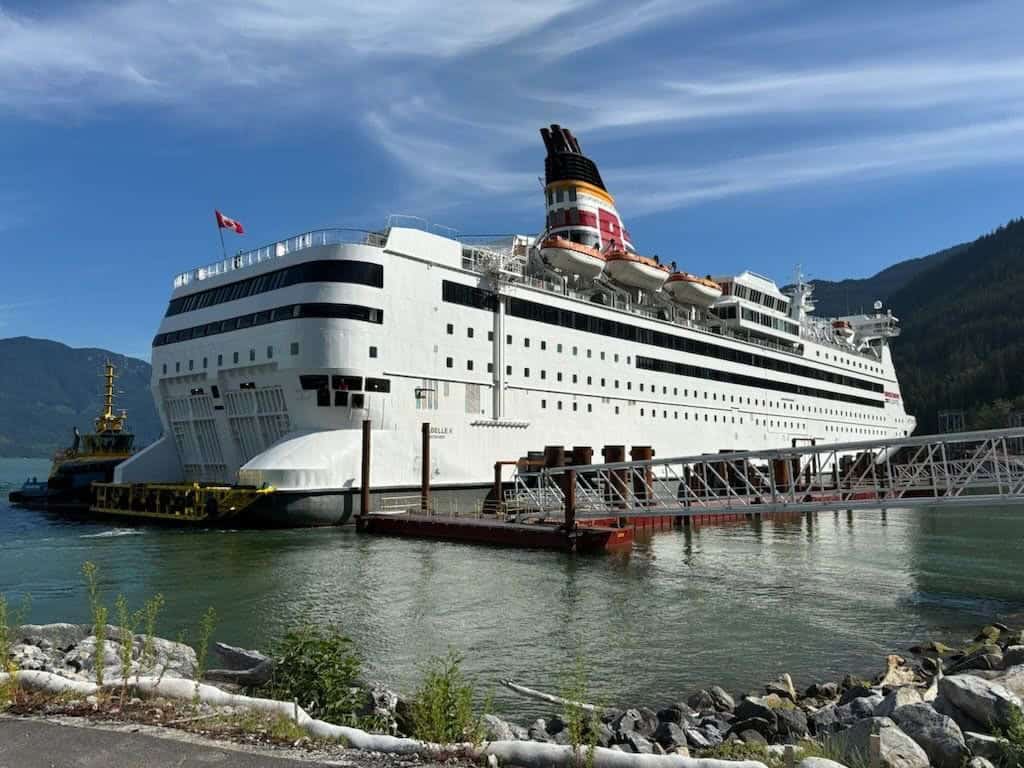
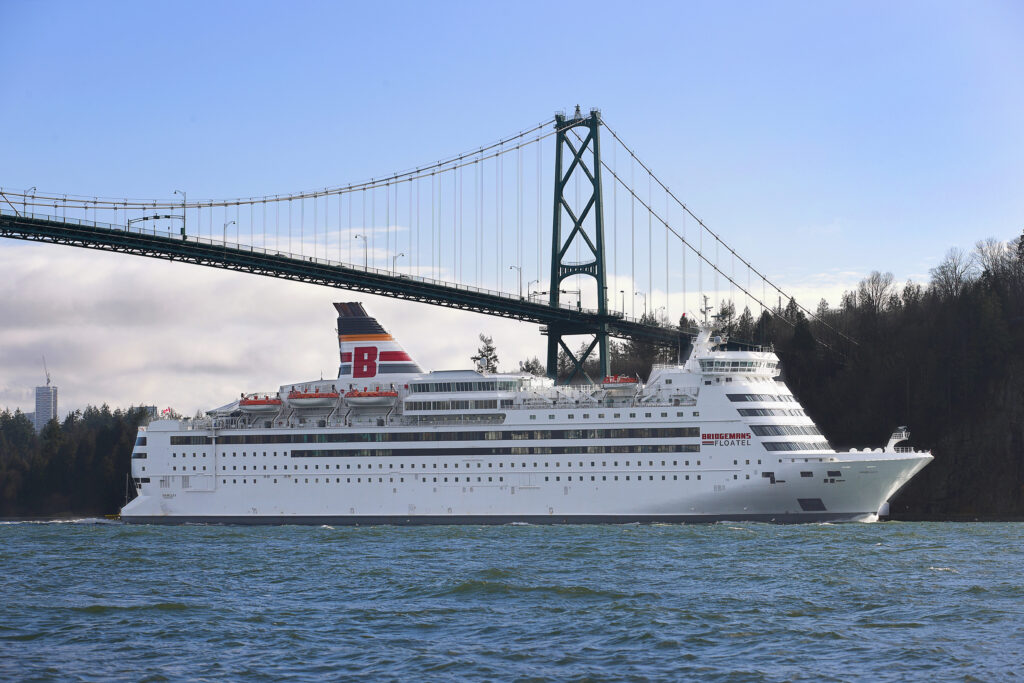
As construction has progressed, we have made the intentional decision to accommodate most of our non-local workforce at the project site, because it reduces strain and demand on local resources in Squamish including housing and public services. That decision was informed by feedback from the community and District Council at the time, and resulted in a fundamentally different approach to housing a major construction workforce of over 1,300 individuals. The cost of doing so was significant — over $100 million invested per floatel — but we felt it was important to ensure we met the community’s expectations in terms of minimizing the impact of the project.
These efforts are producing measurable results. Our most recent Community Services and Infrastructure Management Plan annual report confirms that the measures we have implemented are successfully minimizing impacts on local services and infrastructure
We have consistently listened to community feedback and felt that we have incorporated this feedback into our plans for construction and operations. We have also funded the District’s expenses associated with administering our project, so those costs do not fall to local taxpayers.
The project also operates largely independently of District services. Woodfibre LNG is not connected to the District’s water or sewer systems, does not use the municipal landfill, and provides its own services and infrastructure at the project site. As a result, the project’s contribution to the municipal tax base does not come with the same demands on District infrastructure and services that typically accompany growth in the community.
I am firmly of the view that major industrial players have a duty to make positive contributions to the communities they operate in. In Woodfibre’s case, those contributions are not limited to a single agreement on taxation; they come in the form of community giving, good paying jobs, local procurement, volunteer hours, taxation, and more.
Turning back to the tax deal, while we fully support Council’s ability to make this decision independently and through their designated processes, we also feel it’s important to add context that has often been overlooked in the debate around the agreement.
The proposed agreement between Woodfibre and the District would have guaranteed Squamish at least $142 million over ten years through municipal property taxes and Community Enhancement Payments. We commend the District negotiators for their diligent efforts during the negotiations, which were difficult and tense at times. We also feel that the deal that was presented to Council was firm, but fair and believe that a lot of good could be done for the community with these funds.
The deal represented an average contribution of at least $14.2 million per year. For context, according to data from the District, the former pulp mill generated approximately $2 million in municipal taxes in its final year of operation.
The $14.2 million included in the tax deal is comparable to the average mill rate in B.C. for Class 4 properties with assessed values over $300 million, and is in fact higher than what is being paid by some much larger projects in the province, such as LNG Canada.
The tax agreement was also purposefully designed to give Squamish access to significant funding early, so that it could invest in long-anticipated capital projects right away. It would have delivered $85.5 million in total contributions during its first five years. It was also designed to give the District control over how the funds were spent, with the Community Enhancement Payments being directed at the request of the District towards eligible community capital projects.
We don’t take lightly the demands and pressure that our public servants face. And we know there are some who favour Woodfibre be subject to taxation under the regular annual property-tax system, with amounts re-assessed every year.
However, the certainty provided by the proposed agreement would be extremely valuable for both parties. It allows the District to undergo capital planning on important longer term projects, with peace of mind that the amounts will not change. Those projects could have included long-overdue infrastructure improvements and facilities that would shape the community for decades to come, and enrich the lives of District residents and families. Without an agreement in place with the District’s largest taxpayer, residents could continue to find themselves in a state of uncertainty on when and if those projects will be delivered.
With these considerations in mind, to then have Council decide that the agreement was not enough feels disappointing but all too familiar.
We’ve been clear that this now-rejected tax agreement all parties worked on represented a fair and final offer. As we await the outcomes of the next election cycle, Woodfibre looks forward to moving ahead and building on its existing relationships to foster a productive relationship with the new council.
This outcome does not change how we see our place in Squamish.
As we move from construction toward operations, we will continue to approach our relationship with the community in the same way we have for more than a decade: listening to our neighbours, minimizing our footprint, contributing to the community and taking our responsibilities seriously.
Woodfibre LNG will be part of this community for decades to come. This is the home of our project and our people, and we remain committed to contributing fair value to Squamish as long as we operate here.
Luke Schauerte
Chief Executive Officer
Woodfibre LNG
Statement
Statement