News & Insights
Bringing Kelp Forests Back to Átl’ ḵa7tsem/ Howe Sound
Jan 12, 2026
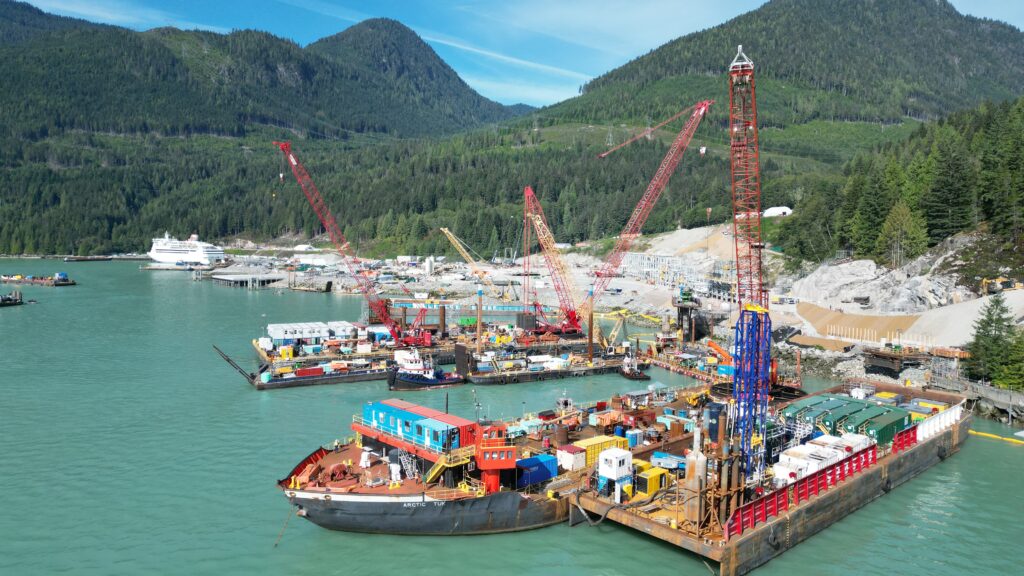
At Woodfibre LNG, we are helping to protect and restore the unique marine environment of Átl’ḵa7tsem/Howe Sound, the waters we are fortunate to call home. One way we act on this commitment is by supporting Ocean Wise’s kelp restoration initiative, or “Seaforestation,” to revive critical underwater habitats.
We do this within a broader journey of reconciliation, stewardship, and addressing cumulative effects in Átl’ḵa7tsem. Relationships with Indigenous communities are living and diverse. We will listen, learn, and be transparent about our role. Funding is not engagement; trust is earned through time, accountability, and actions co-guided by Indigenous leadership.
Why Átl’ ḵa7tsem/ Howe Sound?
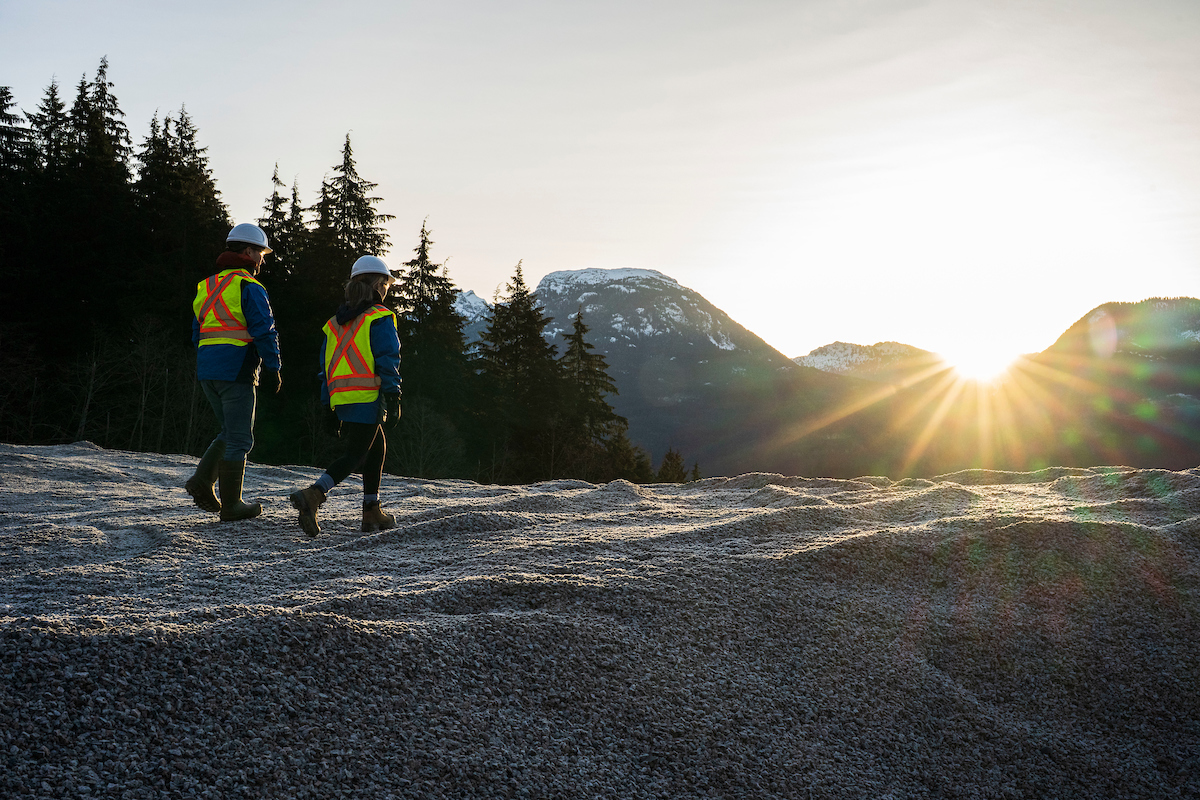
Átl’ḵa7tsem/Howe Sound, located just north of Vancouver, was once rich with herring spawn. A century of industrial activity and warming waters stressed these coastal ecosystems and reduced biodiversity. Today, recovery is emerging through remedial projects led by local Nations, community groups, and science partners.
Kelp restoration is one way to build resilience. By restoring sugar kelp, we’re helping rebuild the conditions that support herring and a wider web of marine life—while recognizing that this work proceeds alongside ongoing community dialogue about impacts and responsibilities.
Why Kelp Matters
While canopy-forming giant and bull kelp are often more visible along B. C.’s coast, sugar kelp plays an equally important role. Growing along shallow rocky reefs, its broad, golden- brown blades act like living architecture— providing food and shelter for fish, crabs, sea stars, and Pacific herring. Sugar kelp is hardy, fast-growing, native to Átl’ ḵa7tsem/ Howe Sound, and well- suited to nursery propagation. Globally, nearly half of the world’s kelp forests have been lost in the past 50 years due to climate change, coastal development, and ecosystem imbalances. In the northern Sound, historic industrial activity also contributed to kelp loss. Restoration is one step toward healthier nearshore habitats.
Grounding Restoration in Relationship
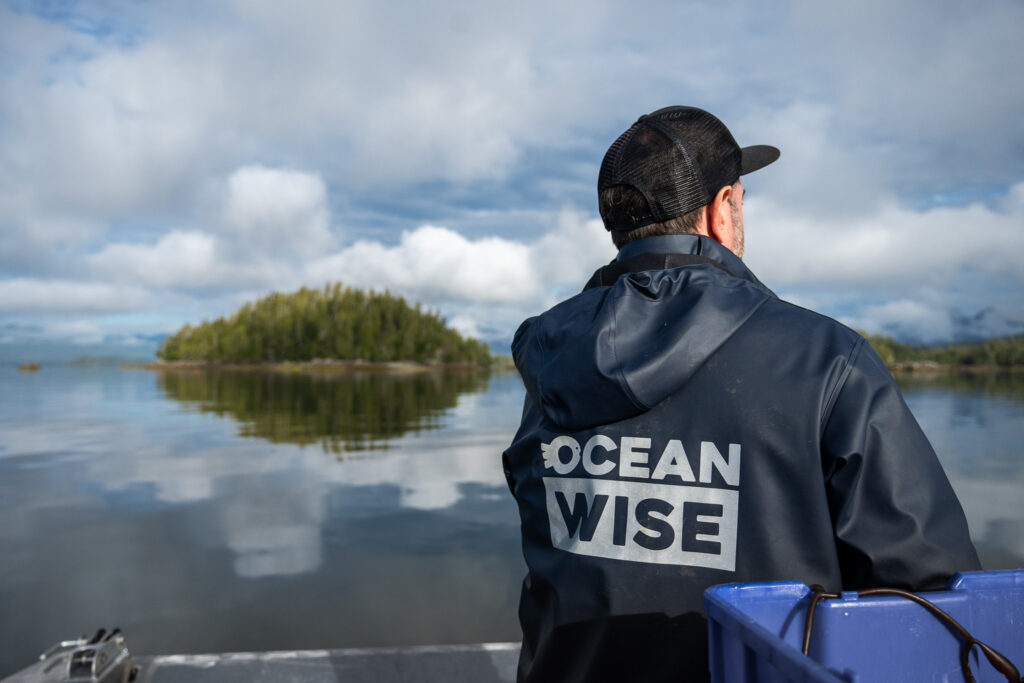
In 2025, Ocean Wise and the Squamish Nation began the second year of planting nursery-grown sugar kelp in Átl’ ḵa7tsem/ Howe Sound. “Working in partnership with the Squamish Nation ensures this project reflects the values, knowledge, and priorities of the people who have cared for these waters for millennia,” said Scott Bohachyk, Director of Seaforestation at Ocean Wise. “Restoration is most successful when it’ s grounded in respect for place and guided by Traditional Knowledge alongside modern science.”
We know some community members have questions about consultation processes, environmental effects, and what meaningful, long- term relationship- building looks like. Our approach is to keep showing up: sharing data openly with partners, incorporating feedback into methods, reporting on outcomes, and being clear about where we are learning and improving.
How We’re Supporting
Woodfibre LNG has provided financial support for nursery preparation and in-kind expertise. Our environmental consultants conduct SCUBA surveys to help track growth and biodiversity over time. “Kelp restoration is about more than ecology— it’ s about honouring the cultural and environmental values of Howe Sound,” said John Morgan, Vice President, Sustainability for Pacific Energy, the parent company of Woodfibre LNG. “By working alongside Ocean Wise and the Squamish Nation, we’re helping bring back kelp forests that play an important ecological role.”
This partnership brings together Ocean Wise’s restoration expertise, Squamish Nation leadership, and our local presence and resources, recognizing that durable outcomes depend on respectful collaboration and accountability over the long term.
Learning and Adapting
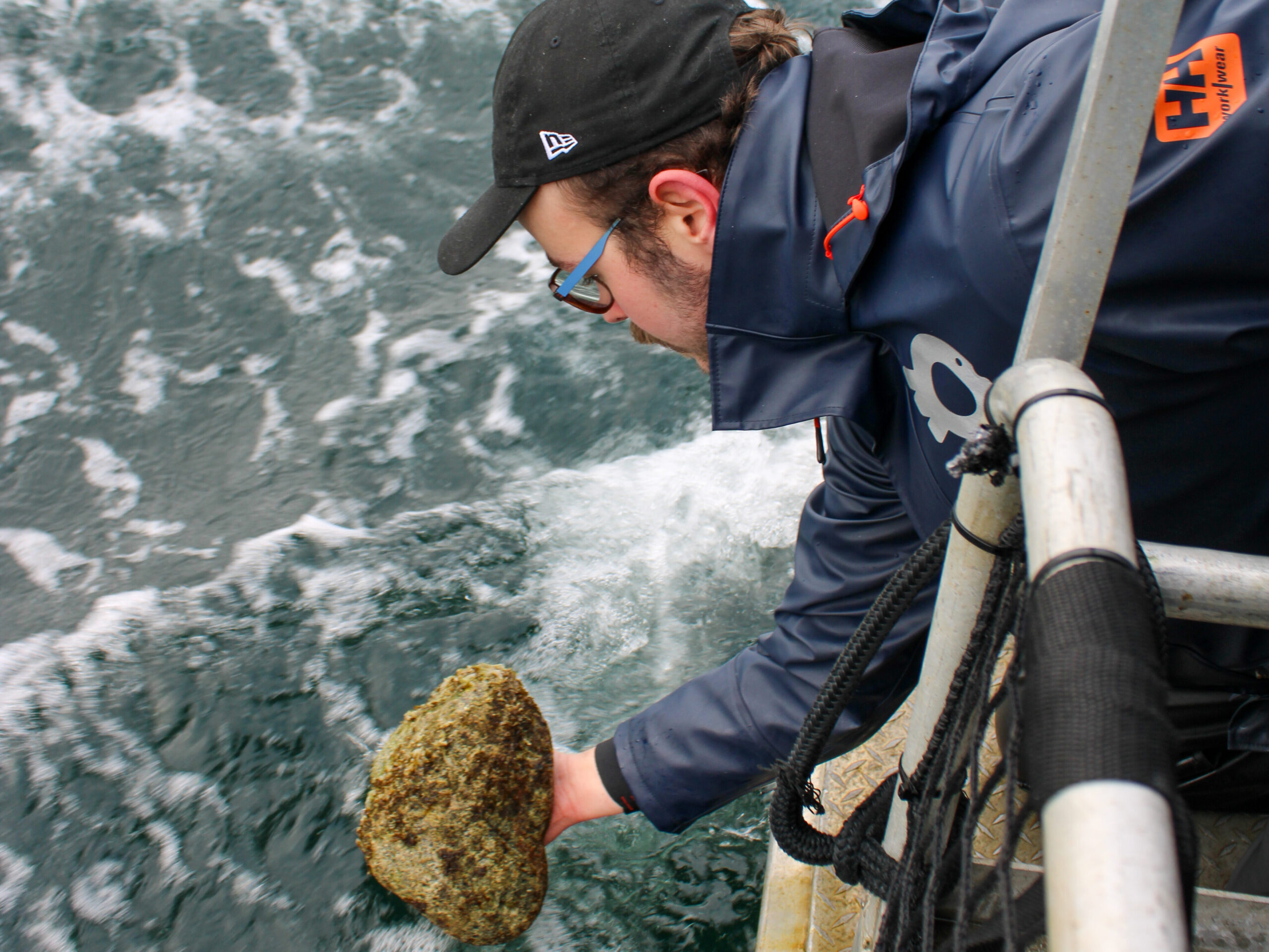
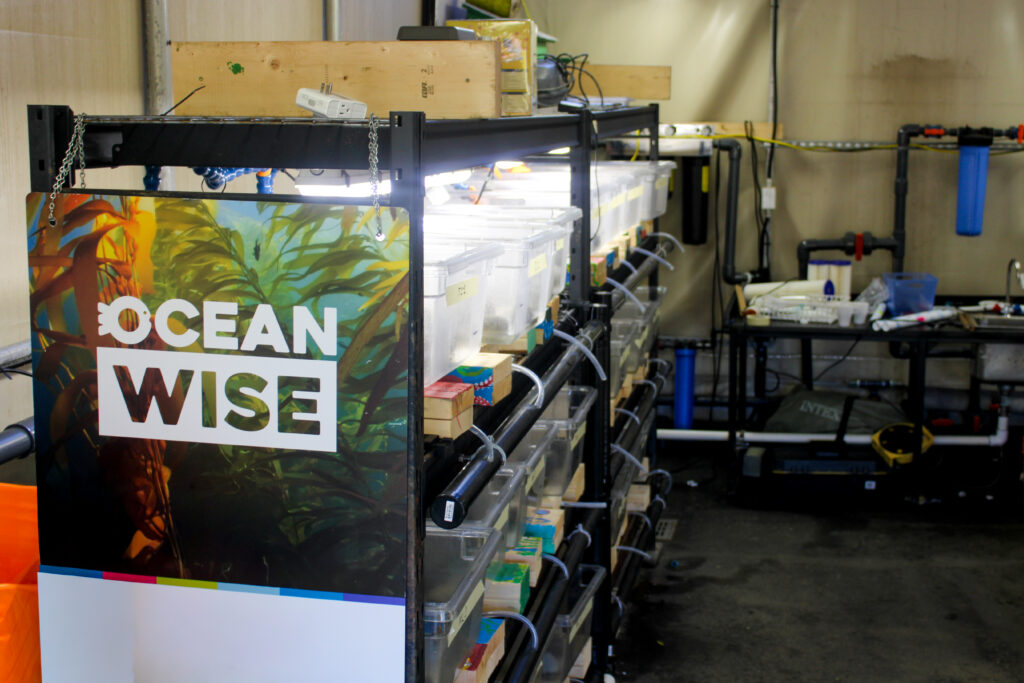
Last year, Ocean Wise tested “green gravel” or small rocks and oyster shells seeded with kelp. The kelp grew, but lighter material didn’t always withstand currents. This year, the team shifted to sturdier substrates such as larger rocks and bricks to improve stability and give new kelp a better foothold. Iteration like this, guided by monitoring and feedback, is central to the project.
Monitoring for Long-Term Success
Planting is only a first step. Ongoing monitoring helps us understand whether restoration is working. Our consultants support Ocean Wise with SCUBA transects and quadrat surveys to build a detailed picture of ecosystem health— from crabs sheltering under kelp blades to changes in fish presence. We will continue to work with partners to share results, discuss implications, and adjust methods together.

Early Signs of Hope
In early summer 2025, divers observed transplanted sugar kelp growing several feet long, creating new shelter for decorator crabs, sea stars, and other species. These observations are encouraging, and we’ll keep evaluating progress across seasons to understand persistence, habitat function, and broader ecological effects.
“These early signs of kelp regrowth show what is possible when science, community, and industry collaborate,” Morgan said. “This is a long- term commitment, and Woodfibre LNG will keep doing the work of monitoring, learning, and supporting where we can.”
Looking Ahead
“Kelp forests are foundational to coastal ecosystems,” said Bohachyk. “Seeing them return to Átl’ ḵa7tsem/ Howe Sound gives us hope, and shows how communities, Indigenous Nations, and industry can work together to restore ocean health at meaningful scales.”
Woodfibre LNG will continue to support this project as Ocean Wise and the Squamish Nation expand kelp restoration in Átl’ ḵa7tsem/ Howe Sound. Together, we aim to strengthen biodiversity, support cultural values, and help our shared waters thrive for generations.

Blog

Blog