News & Insights
Woodfibre LNG at BCNRF: Building Investment Confidence Through Partnership and Predictability
Feb 12, 2026
For almost a quarter century, The BC Natural Resources Forum (BCNRF) has been the pivotal gathering in Western Canada for leaders shaping the future of Candaa’s resource sector. This year, Woodfibre LNG joined the conversation, sharing lessons and insights learned through the development of the world’s first net-zero LNG export terminal.
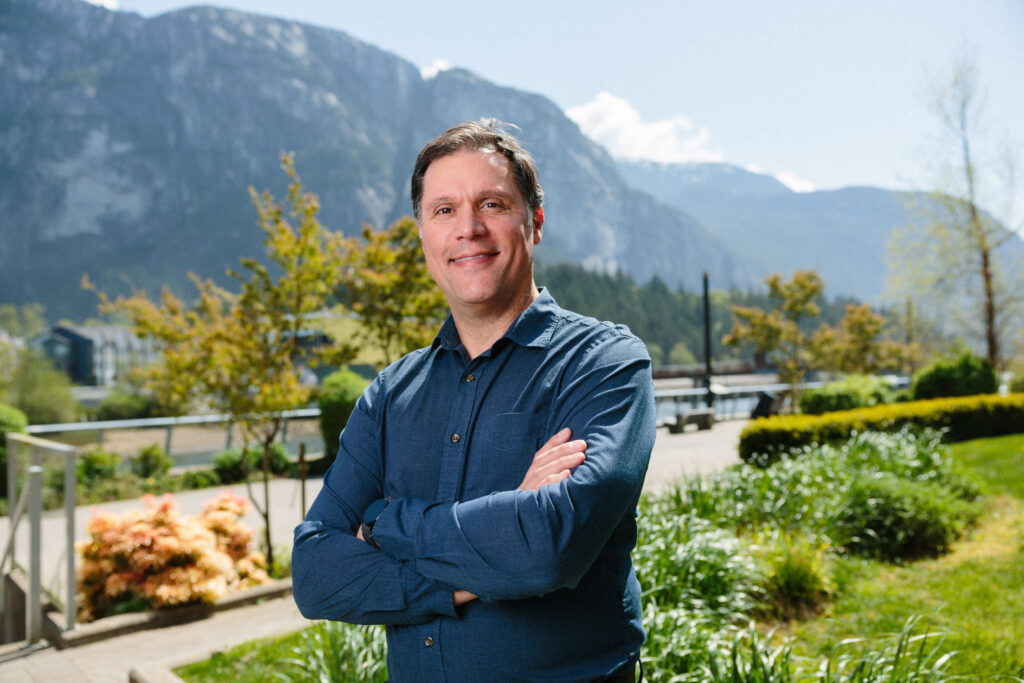
During the “Insights from the C-Suite” panel, Woodfibre LNG CEO Luke Schauerte joined other executives to explore what it truly takes to build, and keep, energy and natural resources investment in BC.

Confidence, Progress, and Practical Optimism
The panel discussion captured a sense of cautious optimism regarding the improving investment climate for LNG in BC. Luke noted how recent actions from federal, provincial, and Indigenous governments, such as the creation of the Major Project Office, signal to investors a real commitment to reducing regulatory bottlenecks and improving predictability, while still upholding Canada’s high standards of responsible energy production.
“Seeing federal, provincial and Indigenous governments supportive of the LNG sector is encouraging. We’ve seen […] a greater willingness to find efficiencies in what has historically been a cumbersome regulatory process.”
Predictability and Performance
A core focus of the panel was on the importance of predictability in the development process — as things like slowed timelines or unclear regulations add costs that make investors more hesitant. Drawing from Woodfibre LNG’s recent milestones, Luke highlighted how greater regulatory clarity translates to real benefits on the ground.
“A great example for us was the approval of our second floatel for our construction workforce. The first took around three years to get approved, the second took six months.”

Looking Ahead: Competitiveness with Integrity
The panel included a call to embrace a mindset of competitiveness for BC, prioritizing clear timelines, accountability, and collaboration. The message from Luke was clear: when project delivery, partnerships, and predictability are prioritized, BC is well positioned to attract responsible investment and set a new benchmark for energy development.
“Simple things like streamlining overlapping processes, committing to timelines and enhancing coordination among jurisdictions and agencies can all contribute to a more effective system. […] Over the last year, I think we’re seeing progress in the right direction – we just need to keep that momentum.”
Partnership has Helps Major Projects Succeed
Most importantly, Luke addressed the audience about the critical role of Indigenous partnership in project success, and Canada’s ever-improving ability to embed economic reconciliation into energy development. Woodfibre LNG’s partnership with Sḵwx̱wú7mesh Úxwumixw (Squamish Nation), who serve as both partner and full economic and environmental regulator for the project, has transformed the engagement process into a model of shared decision-making. This approach doesn’t just strengthen environmental stewardship and project oversight; it actively builds trust with the community and helps project developers attract the best ideas and talent.
“Real partnership means true collaboration and shared decision making. […] We’re tremendously proud to have Squamish Nation as a regulator and I believe having them as a regulator has set the stage for a stronger relationship and a better project overall.”
Woodfibre LNG was honoured to participate in the forum and share its journey with fellow leaders.
Blog

Blog